Last week, I attended the International Facial Nerve Symposium (IFNS) in Madrid, a gathering of clinicians, researchers and specialists working at the forefront of facial nerve care.
I received a certificate of attendance at the end of the event, which is usually routine, but this time it prompted reflection.
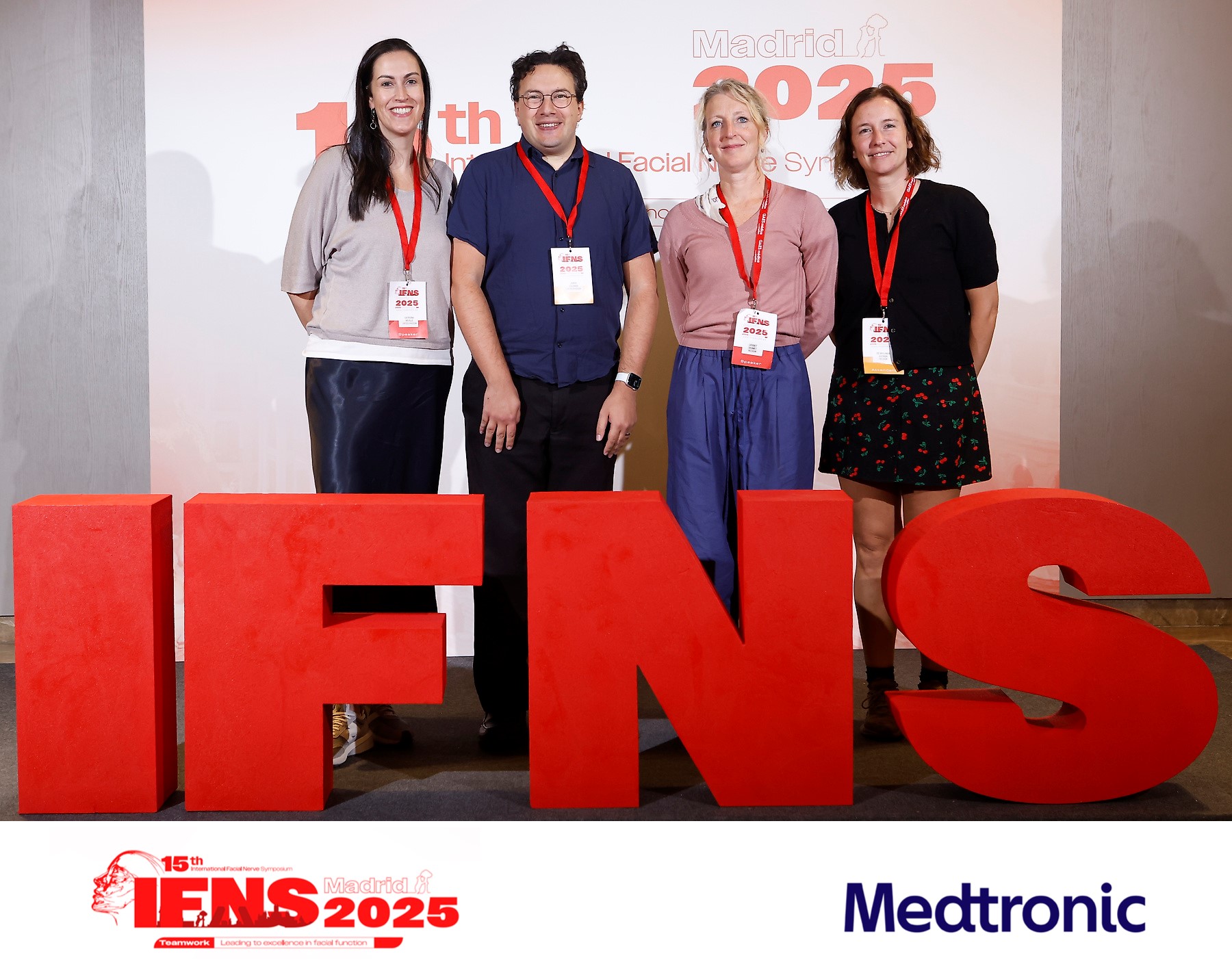
Several people I spoke to, from consultants to academics, noted how few digital health innovators were in the room. That absence stood out and it raised an important question: Where are we, as innovators, choosing to show up?
We built Facial Dynamics to support patients and clinicians managing facial palsy. Building a useful, meaningful tool requires more than smart features or clever code, it needs deep understanding of clinical pressures, patient realities and the gaps that exist between intent and delivery. That kind of understanding doesn’t come from afar, it comes from being in the room, listening, learning and observing the nuance that doesn’t always make it into user surveys or clinical guidelines.
For us, attending IFNS wasn’t about marketing or validation, it was about staying connected to the people who ultimately shape and deliver care and grounding our work in the real-world challenges they face every day.
If digital health is going to play a serious role in the future of rehabilitation, it can’t sit at the edges, it has to integrate into workflows AND the conversations that guide clinical practice and patient support.
That’s why being present matters and why we’ll keep showing up.
Other News

Meet us at MiNT UK 2025
We’re exhibiting at MiNT UK 2025. Come and see us on the 16th October at CentrEd at ExCeL London!
Contact Us
Facial Dynamics is a product creation of Life Analytics Ltd
Facial Dynamics is a UK Class I medical device, self-certified by Life Analytics Ltd in accordance with the UK Medical Devices Regulations 2002.
The device is registered with the MHRA and UKCA marked.

Consult your healthcare professional regarding your health and use of the Facial Dynamics.
2026 Facial Dynamics.