This week, the UK government announced a transformative leap for the National Health Service: within two years, NHS Online, a new virtual hospital service, will be launched in England. Set to deliver up to 8.5 million appointments and assessments in its first three years, the initiative aims to cut waiting times, increase patient convenience and ease pressure on in-person services.
Prime Minister Sir Keir Starmer, speaking at the Labour Party Conference, described the digital platform as part of a “new world” for healthcare, one where patients can access specialist support without leaving their homes. The service will be phased in from 2027, focusing initially on outpatient specialities like ophthalmology, gynaecology and digestive health, where patients often need regular monitoring but not hospital admission.
According to Health Secretary Wes Streeting, the digital hospital is about “modernising the NHS” and ensuring it “moves with the times.” Crucially, the NHS app will serve as the gateway to this virtual care, allowing patients to book scans, tests and procedures at local community diagnostic centres, or access dedicated NHS Online consultants for assessments and follow-up appointments.
At Life Analytics, we believe this shift toward digital healthcare isn’t just promising, it’s essential.
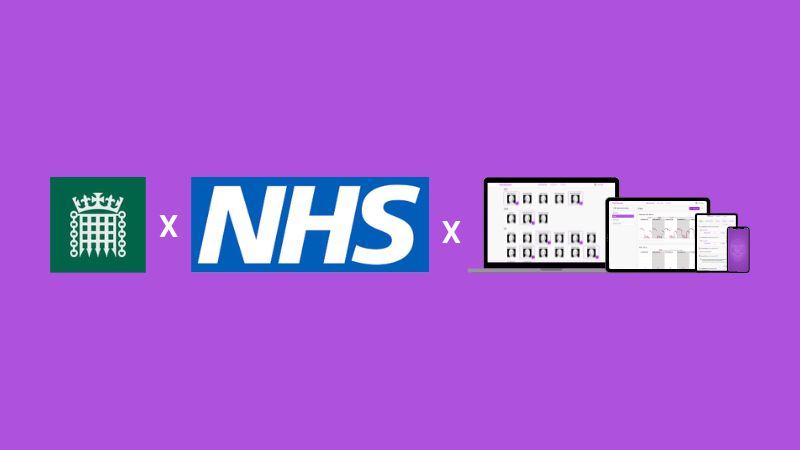
Facial Dynamics And The Future Of Rehab
Every year, thousands of UK patients experience facial palsy, which requires rehabilitation, yet access to specialist services is often limited by geography, cost and long waiting times. Some patients travel over 18 hours round-trip for a 30-minute appointment and others go without care entirely.
That’s why we created Facial Dynamics: a clinician-led, patient-powered platform that brings high-quality, evidence-based facial rehab directly into people’s homes. It’s already being used by forward-thinking NHS teams to reduce waiting times, expand access and preserve clinical oversight, the exact goals laid out in this week’s NHS Online announcement.
Using just a smartphone or tablet, Facial Dynamics enables:
- Remote facial analysis and therapy, powered by AR and motion tracking
- Clinician-assigned exercise plans, tailored to each patient
- Real-time feedback and visual progress tracking, boosting motivation
- Low-cost, scalable care, with no specialised equipment needed
At NHS sites piloting Facial Dynamics, patients have reported feeling more engaged, emotionally supported and motivated, while clinicians have been able to track recovery, adjust plans remotely and deliver more care with fewer delays
Reimagining Outpatient Care, One Specialty At A Time
Just as Moorfields Eye Hospital and University Hospital Southampton have pioneered virtual follow-up systems, we believe facial rehabilitation is ripe for the same innovation.
As the NHS steps into a new digital era, platforms like Facial Dynamics can play a pivotal role, not just in transforming care delivery, but in restoring dignity, accessibility and emotional wellbeing to patients who have long been underserved.
Whether you’re a clinician, commissioner or digital health innovator, we’d love to show you how Facial Dynamics can support your work and your patients.
Other News

Meet us at HETT Show 2025
We will be exhibiting at HETT Show 2025 in London ExCeL, between 7th and 8th October 2025. Come and find us in the Start-Up Hub!
Contact Us
Facial Dynamics is a product creation of Life Analytics Ltd
Facial Dynamics is a UK Class I medical device, self-certified by Life Analytics Ltd in accordance with the UK Medical Devices Regulations 2002.
The device is registered with the MHRA and UKCA marked.

Consult your healthcare professional regarding your health and use of the Facial Dynamics.
2026 Facial Dynamics.